
Is Your Home Ready for a Second-Story Addition? 9 Key Factors
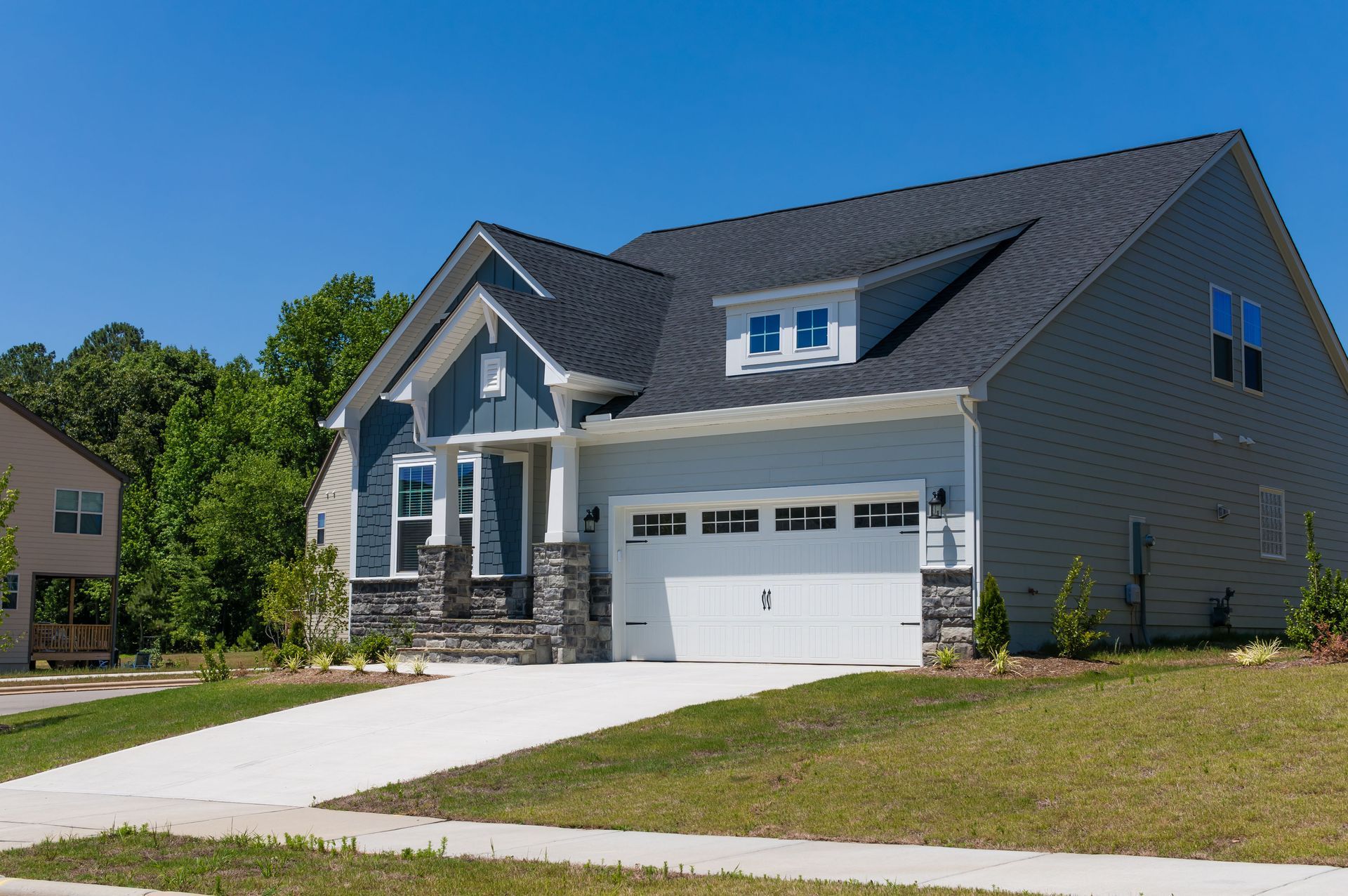
Expanding your living space is an exciting opportunity, especially when your current home no longer meets your needs. Instead of relocating, many homeowners are choosing to build upward, creating additional space while staying in a familiar location. A second-story project can offer added bedrooms, expanded living areas, or even dedicated workspaces, all without sacrificing your yard or outdoor features that you already enjoy.
However, this type of home addition is a significant undertaking that requires careful planning and evaluation. Not every property is immediately suited for vertical expansion, and overlooking key factors can lead to costly setbacks. From structural considerations to zoning requirements, there are several important elements to review before getting started. Taking the time to understand these factors can help you avoid surprises and move forward with greater confidence. In this article, we will explore the key factors that determine whether your home is ready for a second-story addition and how to approach the process with confidence.
1. Evaluating Structural Integrity and Foundation Strength
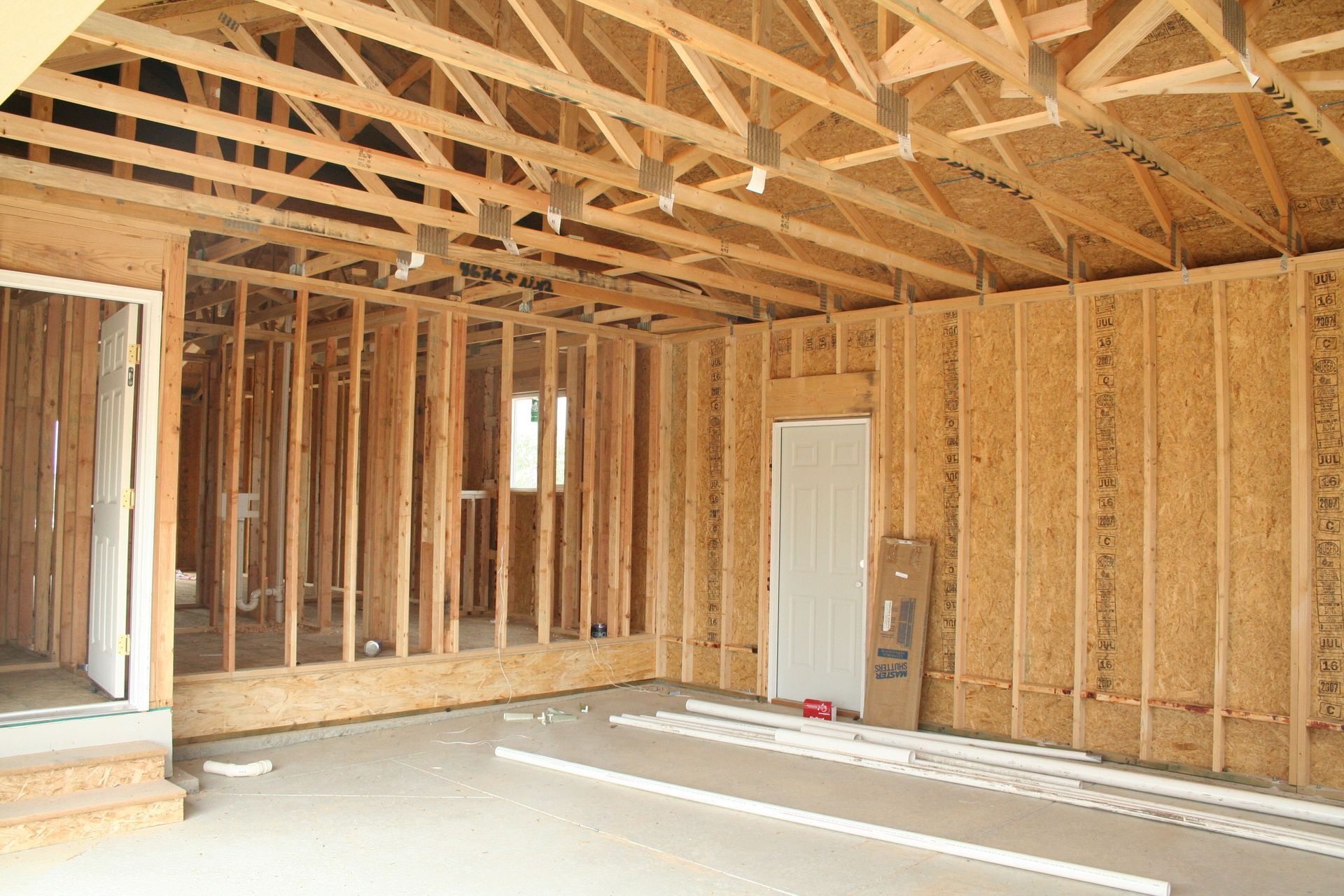
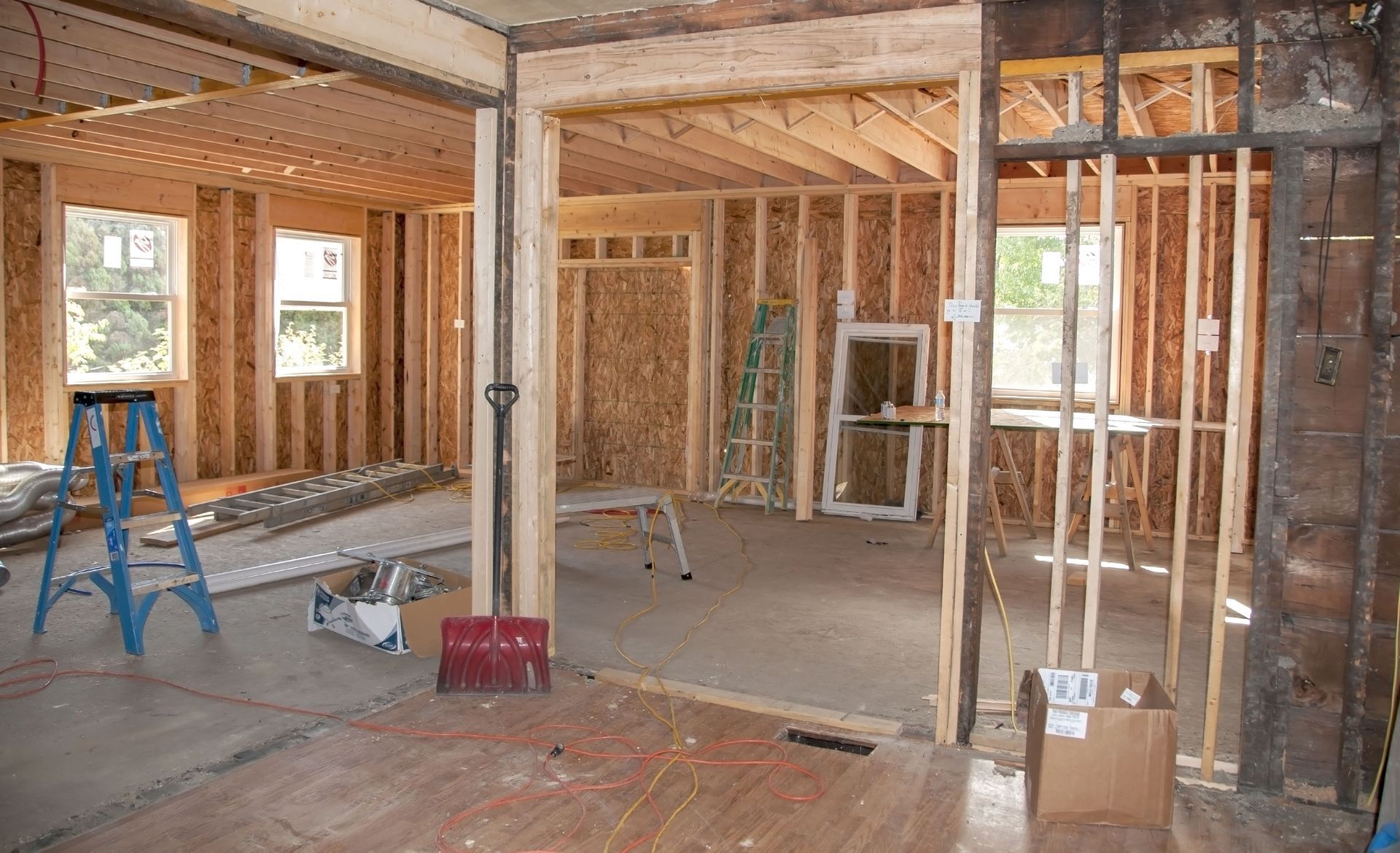
One of the most important factors in determining whether your home can support a second story is its structural integrity. The existing foundation and framing must be strong enough to handle the additional weight of another level.
A professional assessment is typically required to evaluate the condition of the foundation, load-bearing walls, and support systems. Engineers may examine soil conditions, footing depth, and the overall stability of the structure to determine what upgrades, if any, are necessary.
If the structure is not adequate, reinforcement or modifications may be required before construction can begin. While this can increase upfront costs, it is a necessary step to create a safe and durable home addition that will stand the test of time.
2. Understanding Local Building Codes and Zoning Laws
Before moving forward with a second-story project, it is important to understand local building codes and zoning regulations. These rules determine what is allowed in your area, including height restrictions, setbacks, and property use.
Some neighborhoods may have limitations on how tall a structure can be or how much of the property can be developed. Homeowners associations may also have additional guidelines that must be followed.
Failing to comply with these regulations can result in delays, fines, or even the need to revise your plans. Working with professionals who are familiar with local requirements can help streamline the approval process and reduce the risk of complications.
3. Assessing Roof Design and Existing Layout
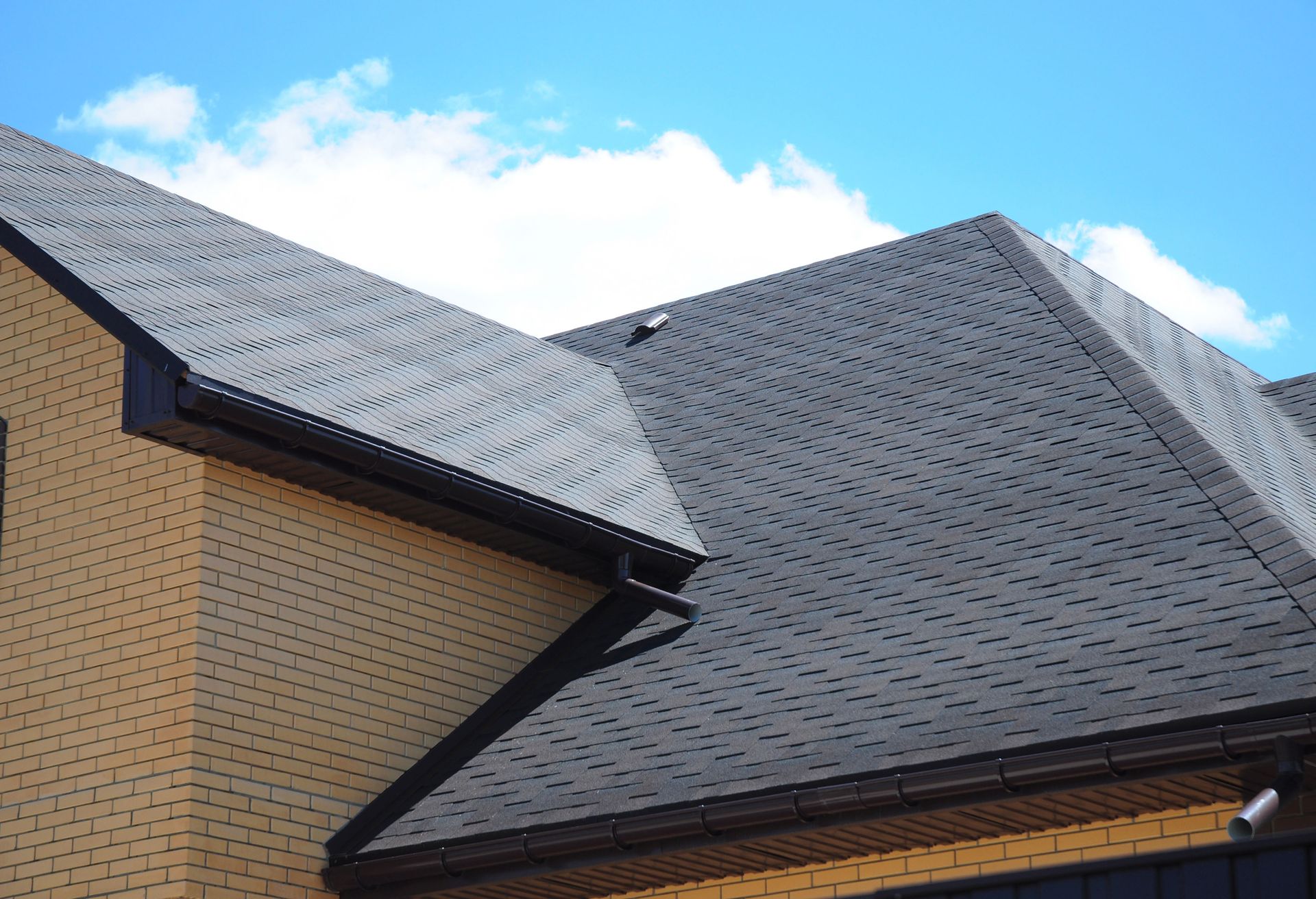
The current design of your roof plays a significant role in how easily a second story can be added. Certain roof types, such as simple gable roofs, are often easier to modify, while more complex designs may require extensive reconstruction.
In addition to the roof, the layout of your existing home should be considered. The placement of staircases, hallways, and rooms will impact how the new level integrates with the current structure.
Careful planning at this stage helps create a cohesive design that feels natural and functional once the project is complete. A well-thought-out layout can improve flow, maximize usable space, and enhance overall comfort.
4. Planning for Plumbing, Electrical, and HVAC Systems
Adding a second story means extending essential systems such as plumbing, electrical wiring, and heating and cooling. These systems must be evaluated to determine whether they can support the additional demand.
In some cases, upgrades or modifications may be required to accommodate the new space. This could include increasing electrical capacity, installing a larger HVAC unit, or adding new plumbing lines for bathrooms or laundry areas.
Addressing these systems early in the planning process helps avoid complications during construction and ensures the new space is comfortable and efficient. It also allows you to incorporate modern features that improve energy use and overall functionality.
5. Considering Budget and Long-Term Value
A second-story project is a significant financial investment, and it is important to establish a realistic budget from the beginning. Costs can vary depending on the complexity of the project, materials used, and any structural upgrades required.
According to a survey by LightStream, roughly 20% of homeowners are planning home additions. This growing trend highlights the value many people see in expanding their current homes rather than moving to a new one.
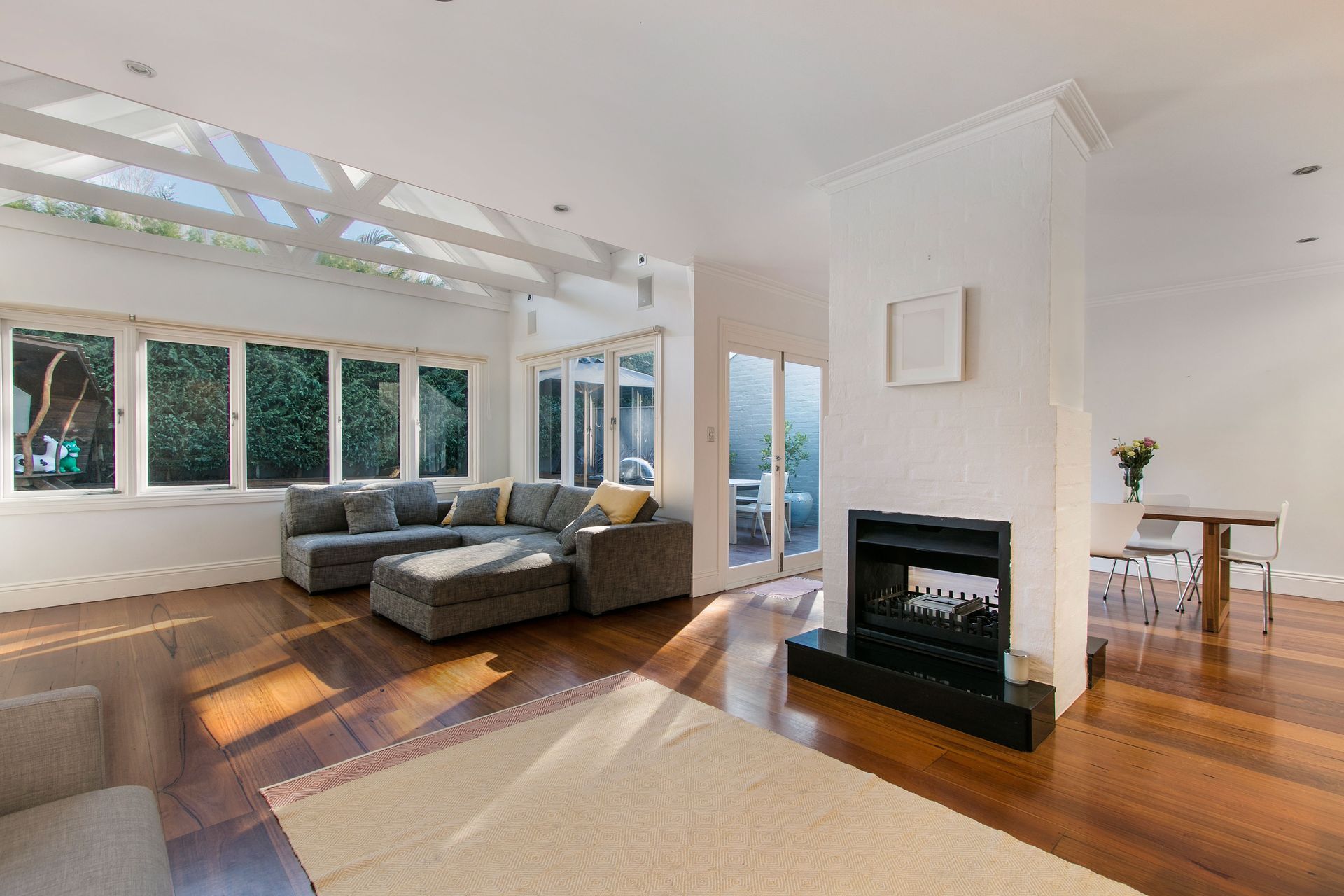
When planning your home addition, it is helpful to consider both the immediate costs and the long-term value it may bring. A well-executed project can enhance your home’s functionality, improve daily living, and potentially increase its overall market appeal.
6. Evaluating Impact on Daily Life During Construction
Construction for a second-story addition can be disruptive, especially if you plan to remain in the home during the process. Noise, dust, and limited access to certain areas are common during this type of project.
Depending on the scope of work, parts of your home may be temporarily unusable. In some cases, utilities may be interrupted, or protective measures may need to be put in place to maintain safety.
It is important to consider how construction will affect your daily routine and whether temporary relocation might be necessary. Planning ahead can help reduce stress and make the experience more manageable for everyone in the household.
7. Reviewing Property Access and Site Conditions
Access to your property can influence how easily materials and equipment can be delivered during construction. Limited space or challenging site conditions may require additional planning and coordination.
Factors such as driveway access, lot size, and surrounding structures can impact the logistics of the project. Narrow access points or nearby buildings may require special equipment or alternative delivery methods.
Evaluating these conditions early helps avoid unexpected delays and keeps the project moving efficiently. It also allows contractors to develop a plan that minimizes disruption to your property and the surrounding area.
8. Aligning Design With Future Needs
When planning a second-story addition, it is important to think beyond your current needs. Consider how the space will be used in the future and whether it can adapt to changing circumstances.
For example, a new bedroom could later serve as a home office, guest suite, or hobby space. Flexible layouts allow your home to evolve as your lifestyle changes over time.
Designing with versatility in mind helps maximize the value of your home addition. It also helps prevent the need for additional renovations in the future.
9. Choosing the Right Professionals for the Project
A successful second-story addition relies on the expertise of skilled professionals. Architects, engineers, and contractors all play a role in bringing your vision to life.
Selecting experienced professionals who understand the complexities of vertical expansion is essential. They can guide you through each stage of the process, from initial design and permitting to construction and final inspection.
Working with the right team helps ensure that your project is completed safely, efficiently, and in accordance with all requirements. Their experience can also help identify potential challenges early, allowing for better planning and smoother execution.
A second-story addition can transform your home, providing the extra space you need without the hassle of moving. However, it is not a project to approach without careful consideration. From structural readiness and zoning requirements to budgeting and design, each factor plays a critical role in the success of your project.
If you are thinking about starting a home addition, taking the time to evaluate these key factors can help you move forward with confidence. Reaching out to experienced professionals at Jodice & Sons Inc is one of the best ways to begin the process, as we can assess your home and provide tailored recommendations. With the right planning and support, you can create a space that enhances both your lifestyle and the long-term value of your home.

Share On: